The
orthoceras fossils of
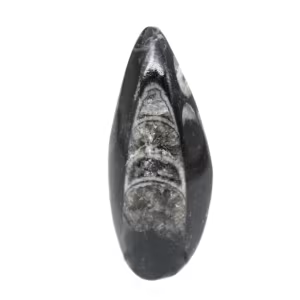
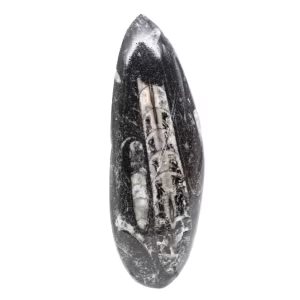
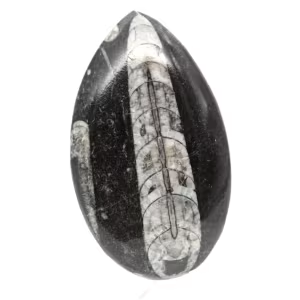
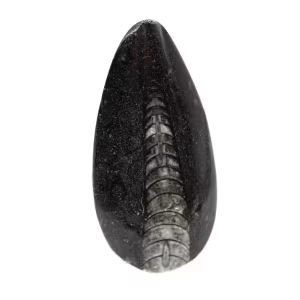
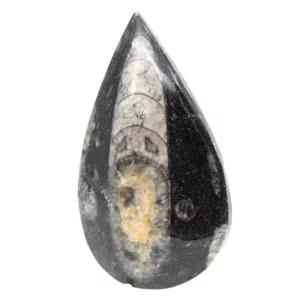
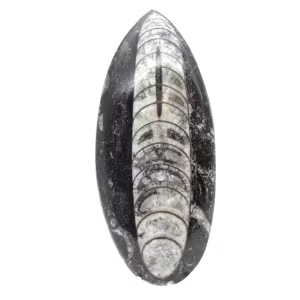
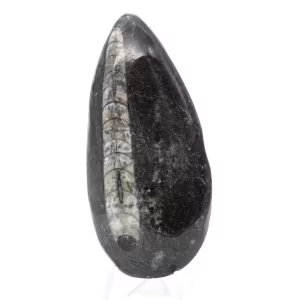
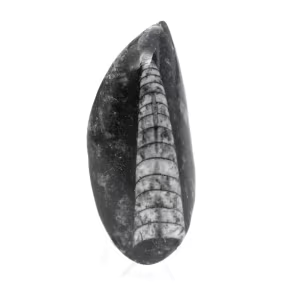
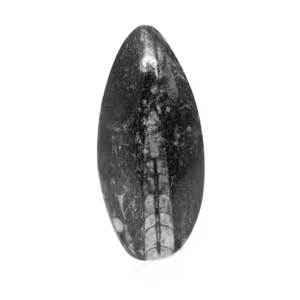
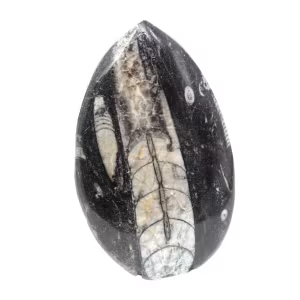
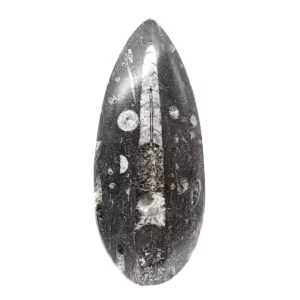
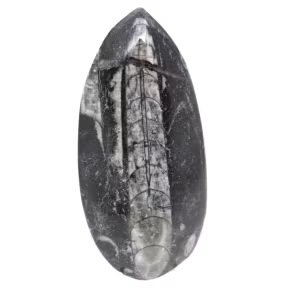
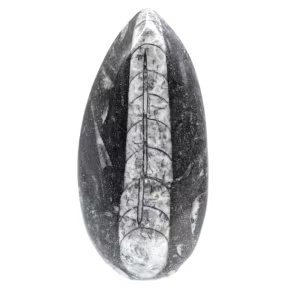
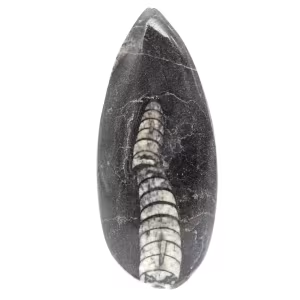
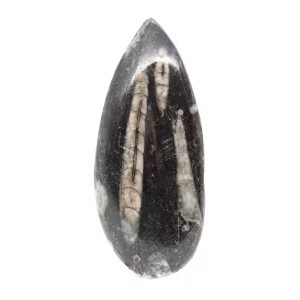
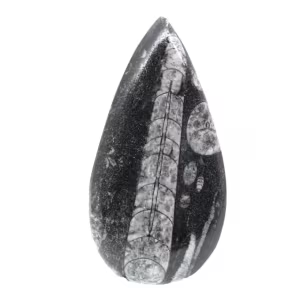
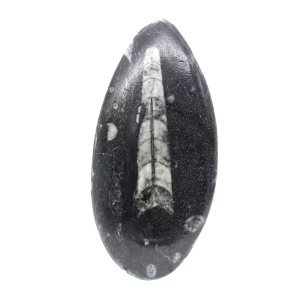
Morocco are fascinating remnants of an ancient era, dating back to the Paleozoic Era, approximately 400 million years ago. These marine cephalopods, ancestors of modern squid and octopus, were distinguished by their elongated, conical shells.
orthoceras, whose name means "straight horn," became extinct millions of years ago, but their
fossils are remarkably well-preserved in the rock formations of
Morocco, particularly in the Anti-Atlas region. These
fossils offer a valuable glimpse into the diversity of prehistoric marine life and are prized by collectors and paleontology enthusiasts.
orthoceras fossils from
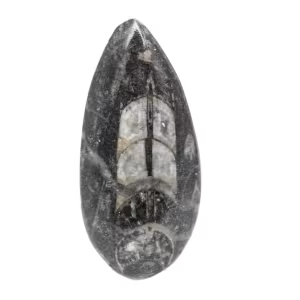
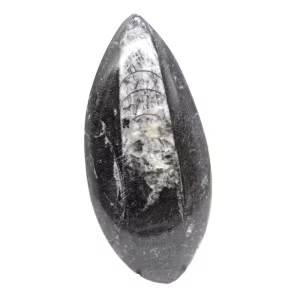
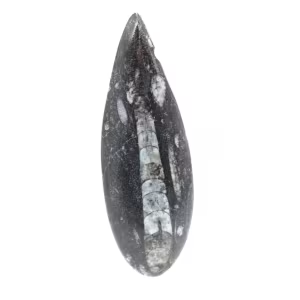
Morocco are often found in calcareous matrices, which have preserved the intricate details of their shells. These
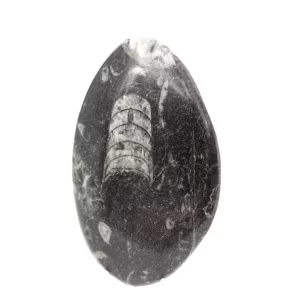
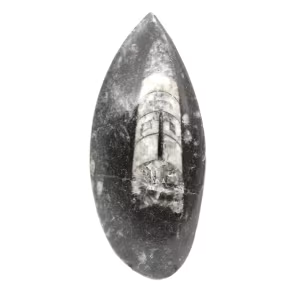
fossils are frequently polished to reveal internal patterns, such as septa and sutures, which provide evidence of the animal's internal structure. The Moroccan region is renowned for the exceptional quality of its
fossils, making it a prized source for museums, scientists, and enthusiasts worldwide. Moroccan specimens are often used in educational settings to illustrate cephalopod evolution and the environmental conditions of the time.
Acquiring
orthoceras fossils from
Morocco not only provides a tangible fragment of Earth's history but also supports the local communities involved in their extraction and preparation. These
fossils are available in a variety of sizes and presentations, from raw pieces to finely polished specimens, suitable for both museum displays and personal collections. By choosing Moroccan
orthoceras fossils, you enrich your collection while contributing to the preservation and appreciation of the geological heritage of this unique region.