


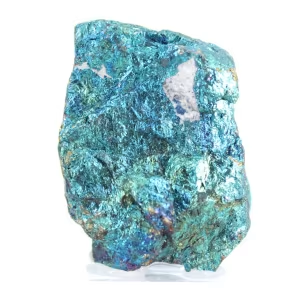
Chalcopyrite
165 g
 Mexico
33.00 €
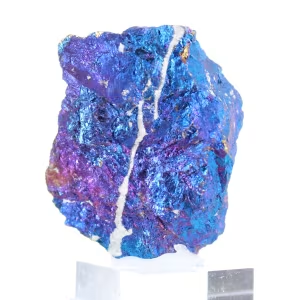
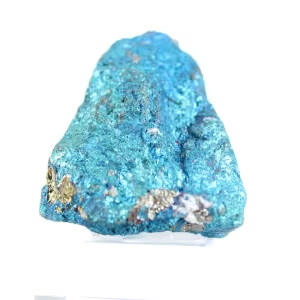
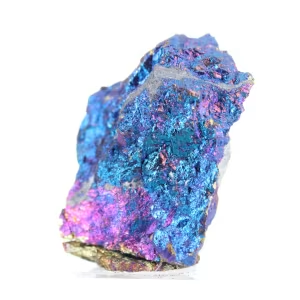
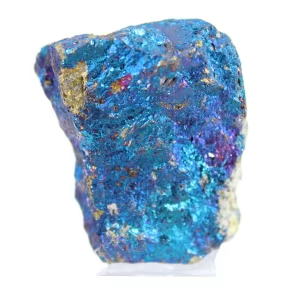
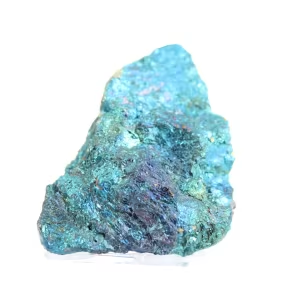
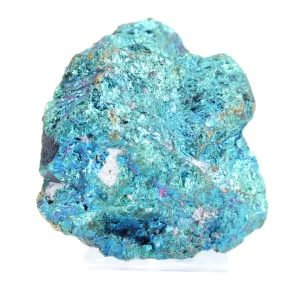
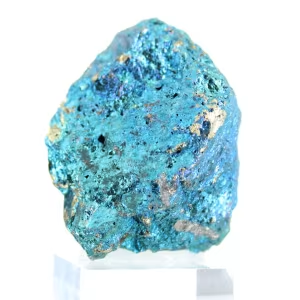
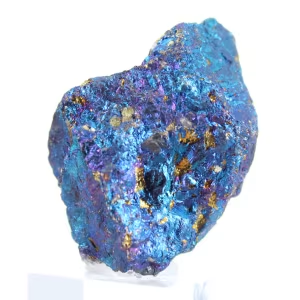
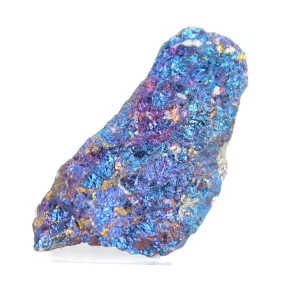
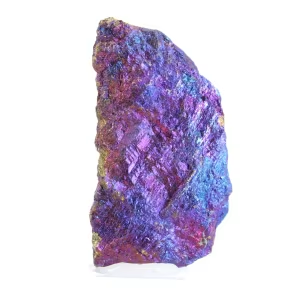
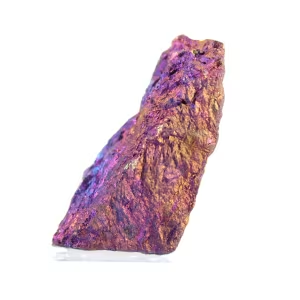
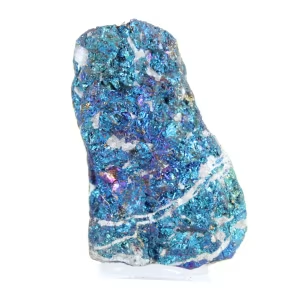
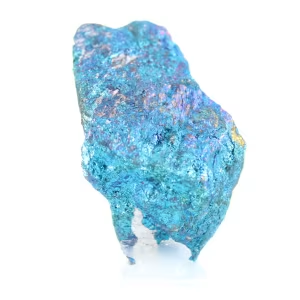
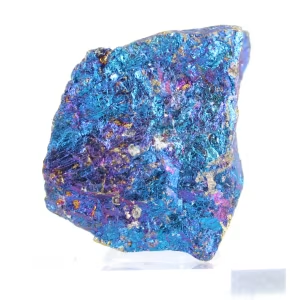
Chalcopyrite is a copper and iron sulphide with the chemical formula CuFeS₂. This mineral belongs to the tetragonal crystal system and is distinguished by its characteristic brass-yellow colour, often accompanied by bluish, purplish or greenish iridescence caused by a thin layer of surface oxidation, a phenomenon known as tarnish. Its hardness ranges between 3.5 and 4 on the Mohs scale, with a pronounced metallic lustre that makes it easily identifiable, although it is sometimes mistaken for pyrite or native gold, earning it the nickname "fool's gold". Geologically, chalcopyrite forms mainly in hydrothermal deposits and magmatic deposits associated with igneous raw rocks and minerals">rocks. It is one of the principal copper ores exploited industrially throughout the world, notably in deposits located in Peru, Chile, Spain and Germany. Recognisable by its conchoidal fracture and its characteristic greenish-black streak obtained by rubbing on a porcelain plate, chalcopyrite has an average density of around 4.2 g/cm³. It is frequently associated with other minerals such as pyrite, galena, sphalerite or quartz within mineralised veins.
Mexico
 Mexico
 Mexico
 Mexico
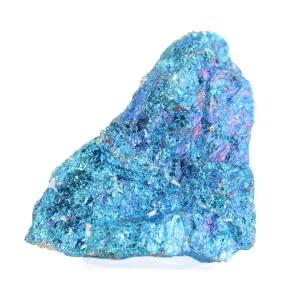 Mexico
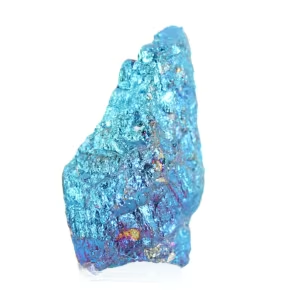 Mexico
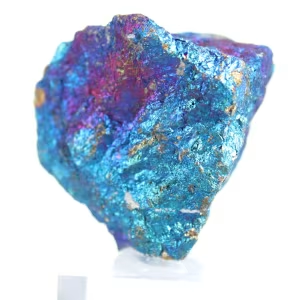 Mexico
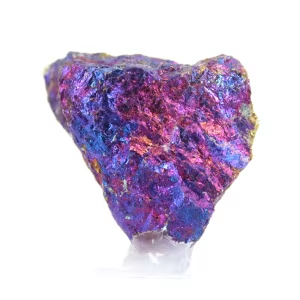 Mexico
 Mexico
 Mexico
 Mexico
 Mexico
 Mexico
 Mexico
 Mexico
 Mexico
 Mexico
 Mexico
 Mexico