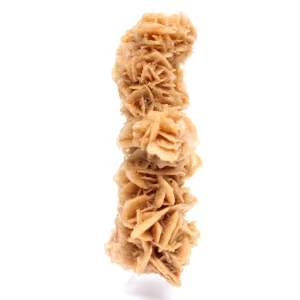
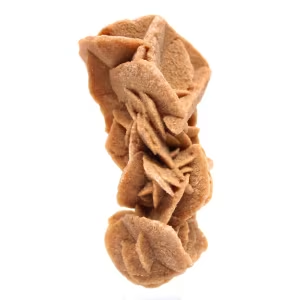
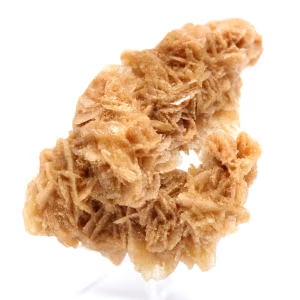
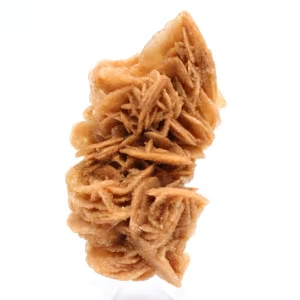
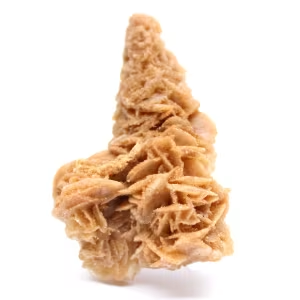
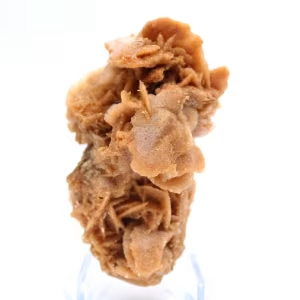
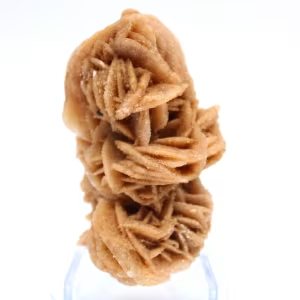
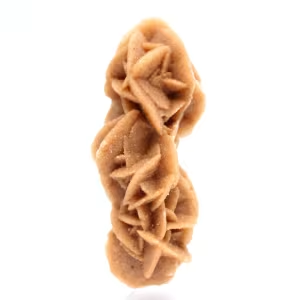
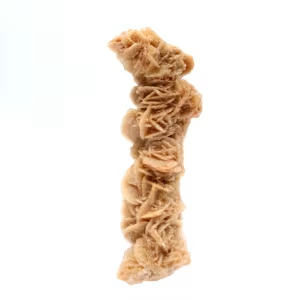
Sand roses, fascinating geological formations, are the result of the interaction between wind, sand, and water evaporation in desert regions. These unique natural structures form primarily in the deserts of
Tunisia, where the climatic and geological conditions are ideal for their creation. Composed primarily of gypsum
crystals, sand roses are distinguished by their petal-like shapes, reminiscent of delicate flowers.
Each sand rose is a natural work of art, shaped by the elements over time. In
Tunisia, sand roses form in sedimentary basins where sulfate-rich groundwater evaporates, leaving behind gypsum
crystals. These
crystals then bond with the surrounding sand grains to form rosette-like structures. The color variations, ranging from light beige to dark brown, are due to the mineral composition of the sand and the impurities present.
When purchasing sand roses, it's important to consider their size, shape, and color, which can vary considerably from specimen to specimen. Tunisian sand roses are particularly prized for their quality and diversity. They're an excellent choice for mineral lovers and geology enthusiasts.


 Tunisia