Schalenblende - Collection 682

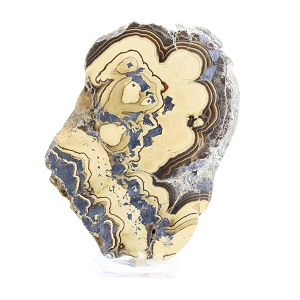
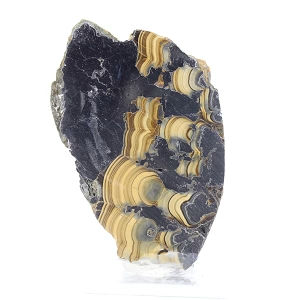
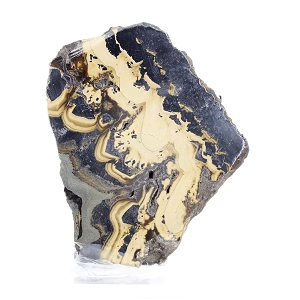
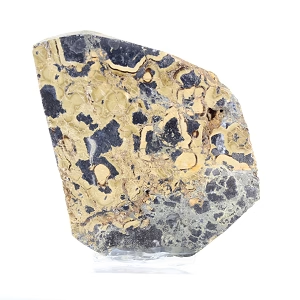
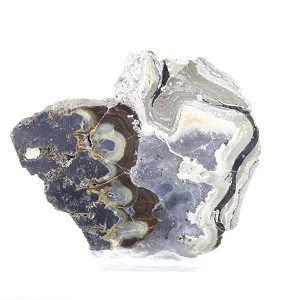
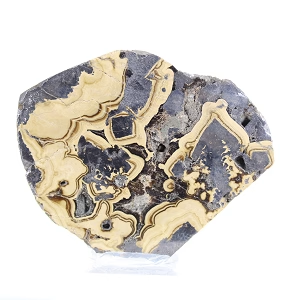
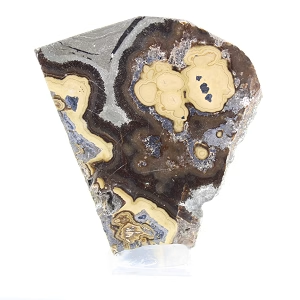
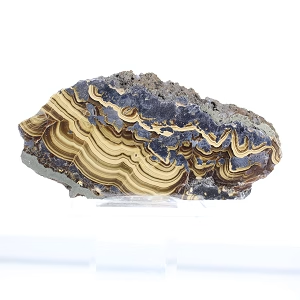
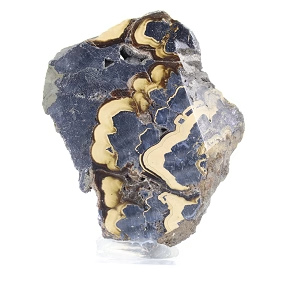
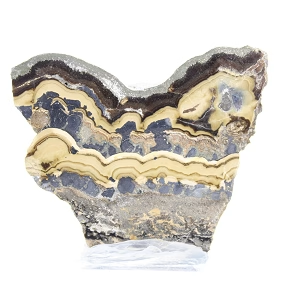
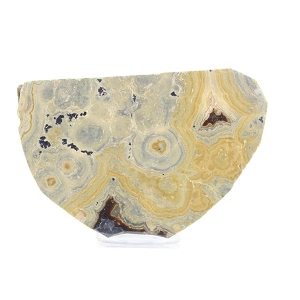
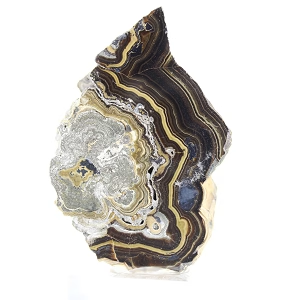
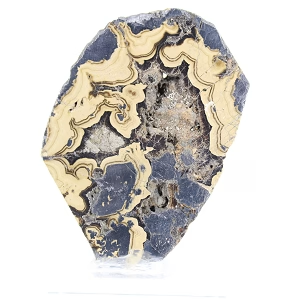
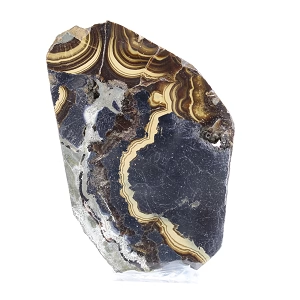
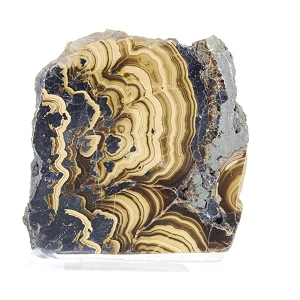
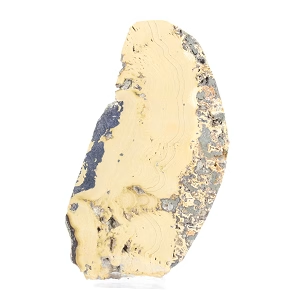
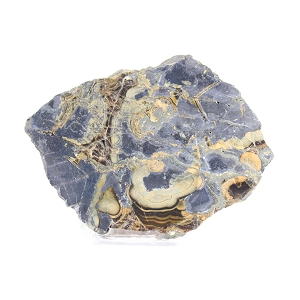
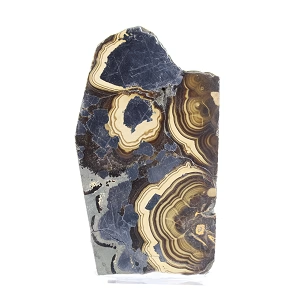
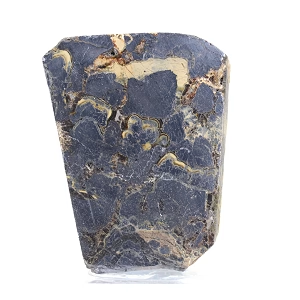
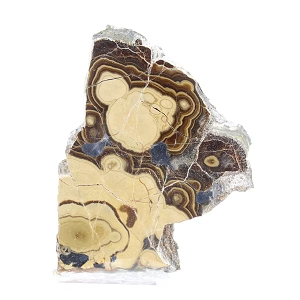
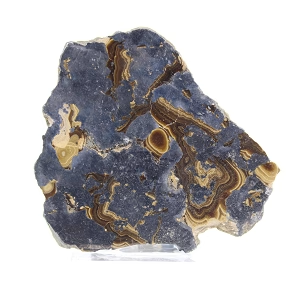
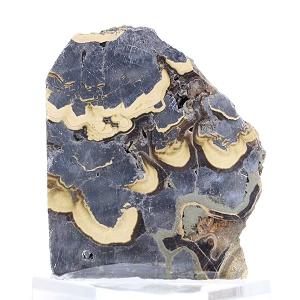
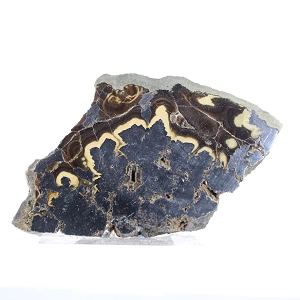
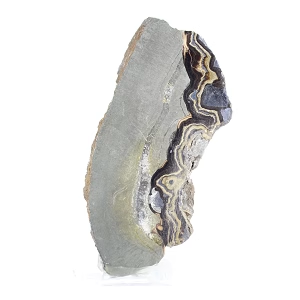
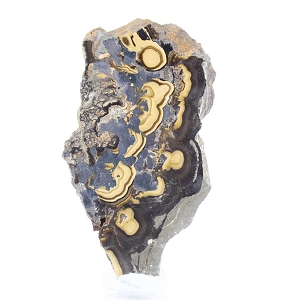
Polish schalenblende is a variety of banded sphalerite, formed of fine concentric layers of zinc, lead and iron sulphides. This specimen features a rough face, revealing its natural structure, and a polished face, showcasing its coloured bands. A mineral piece originating from Silesia, prized by collectors.

Schalenblende is a variety of banded sphalerite, characterised by a structure of concentric bands resulting from successive deposits of sulphides. This distinctive geological formation gives it a striking visual appearance, with alternating shades ranging from grey to black, sometimes highlighted by golden or coppery reflections linked to the presence of associated marcasite or galena. Polish deposits, particularly those located in the Upper Silesia region, are renowned for producing high-quality specimens, prized by collectors and mineralogy enthusiasts for their rarity and well-documented geographical origin.

These specimens are presented in a two-sided form, combining a raw face and a polished face, allowing both the natural texture of the mineral and the result of careful polishing to be observed. The raw face preserves the original appearance of the rock, with its irregularities and untreated surface, bearing witness to the natural formation process caused by hydrothermal phenomena. The polished face, meanwhile, clearly reveals the concentric patterns characteristic of Schalenblende, highlighting the colour variations and internal structure of the mineral. This contrast between the two faces results in a piece that is both educational and aesthetically pleasing, suitable for display as well as for geological study.

Each piece of Schalenblende from Poland is unique, with the banded pattern varying according to the specific formation conditions of each specimen. This mineral is of great interest to mineral collectors, geology professionals, and anyone wishing to enrich a collection with a stone of singular geological history. Its Polish provenance, combined with the raw and polished double-finish technique, makes this specimen a valuable means of understanding the processes of mineral sedimentation in successive layers. Available as an individual piece, this specimen fits equally well into an educational approach or a mineral collection intended for display or the comparative study of natural banded structures.

Log in to save your favorites

Create an account or log in to find your favorite pieces on every visit.