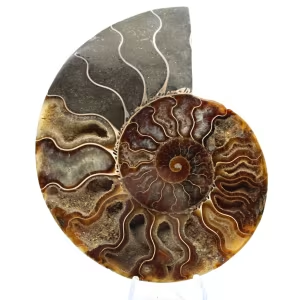
The large ammonites of
Madagascar represent a fascinating collection of marine
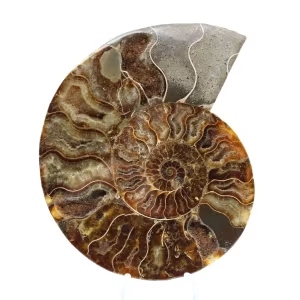
fossils, witnesses to a bygone era. These ammonites, which flourished during the Mesozoic Era, are particularly prized for their impressive size and remarkable state of preservation. Originating from Madagascar's rich fossil deposits, these specimens are carefully extracted and prepared to reveal exquisite details of their spiral structure. Each
ammonite displays distinct patterns and color variations ranging from beige to brown, offering a captivating glimpse into ancient marine life.
The ammonites of
Madagascar are distinguished by their size, which can reach several tens of centimeters in diameter, making them prized specimens for collectors and paleontology enthusiasts. These
fossils come primarily from Cretaceous and Jurassic formations, periods during which these cephalopod mollusks reigned supreme in the oceans. Their coiled shell, composed of successive chambers, allowed the
ammonite to control its buoyancy, an essential trait for its survival. Specimens from
Madagascar are particularly valued for their exceptional preservation, often enhanced by natural crystallizations that add to their visual appeal.
The large ammonites of
Madagascar are not merely collector's items, but also hold considerable scientific importance. They offer invaluable clues about the evolution of species, ancient climate changes, and the dynamics of past marine ecosystems. For fossil enthusiasts, owning an
ammonite of this origin is a tangible way to connect with the geological history of our planet. Furthermore, these
fossils are unique decorative pieces, capable of enriching any interior space with their historical and aesthetic presence. Whether for study or decoration, the ammonites of
Madagascar stand as silent witnesses to the richness of past biodiversity.


 Madagascar